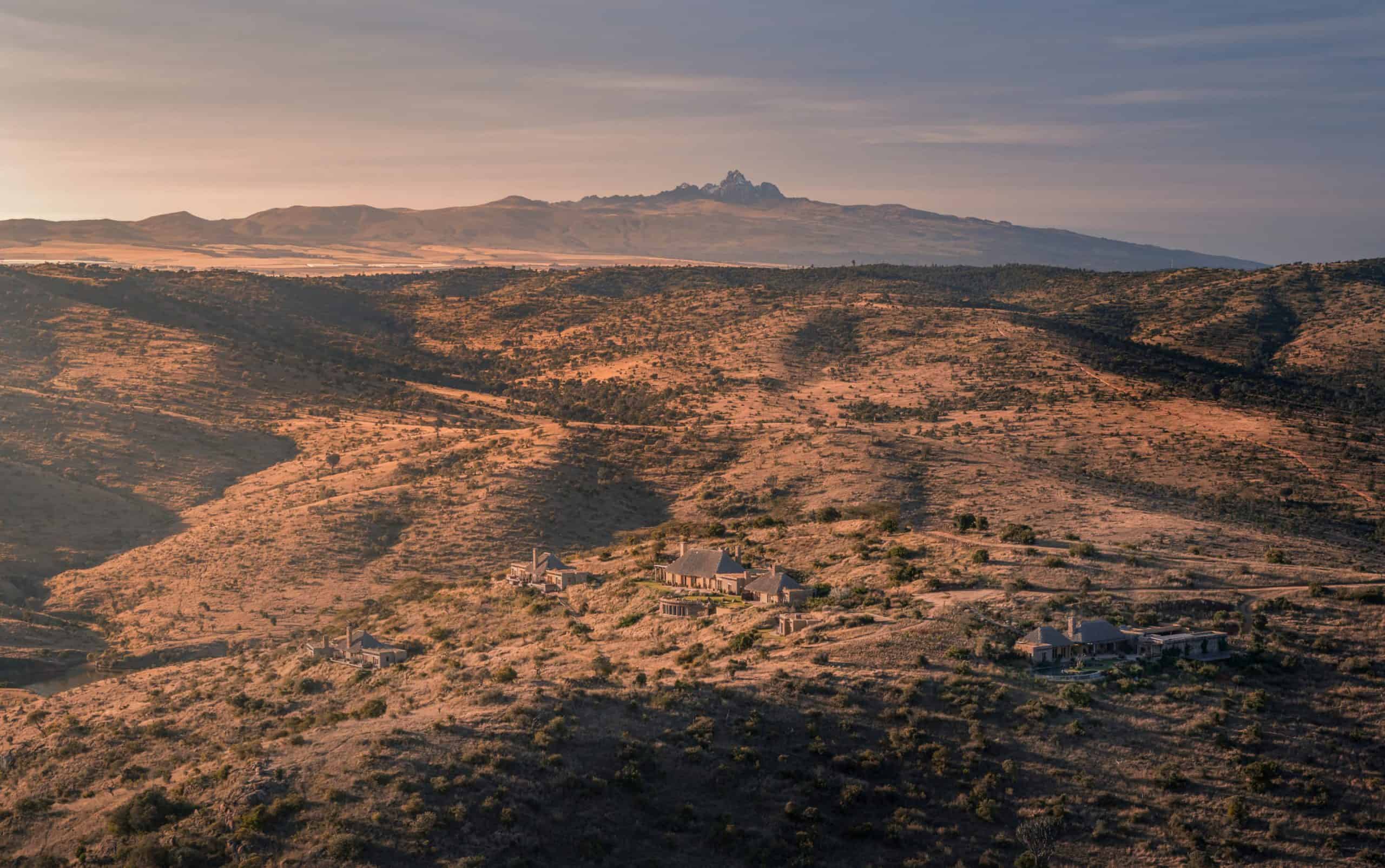


As 2026 emerges as the year of experiential travel, travellers are increasingly seeking journeys rooted in meaning, immersion and measurable impact. Few places embody this shift more powerfully than Lengishu, set within Kenya’s remarkable Borana Conservancy, a landscape where conservation is not just observed, but lived.
Life on Borana unfolds quietly but constantly. Wildlife populations shift with the seasons, calves are born, predators reshape territories, and conservation teams work tirelessly to monitor and protect the ecosystem. Over the past year, these rhythms have delivered extraordinary milestones, reinforcing Borana’s position as one of East Africa’s most progressive conservation landscapes.
A Record Year for Rhinos
At the heart of this story are the rhinos. In 2025, Borana recorded its most successful breeding year to date, with 12 calves born, eight black rhino and four white, bringing the total population to 67. This milestone reflects decades of protection and careful management across the wider Borana-Lewa landscape. For the first time, the conservancy is now strong enough to support conservation beyond its own boundaries, translocating black rhinos to Segera Rhino Sanctuary and white rhinos to Loisaba Conservancy – a significant step in rebuilding national populations.
The Careful Work of Monitoring
For guests at Lengishu, this translates into a rare level of access and understanding. Walking alongside rangers at dawn, tracking rhinos on foot and witnessing the intricacies of monitoring, from tracking, to ear-notching to veterinary care, offers a deeply personal insight into conservation in action. Even in more challenging moments, such as the rescue of a young calf following its mother’s death, guests gain a profound appreciation of the commitment required to protect these animals. The calf has been named Tytan and was safely relocated to the Sheldrick Wildlife Trust in Nairobi, where it continues to thrive.
Lions, Birdlife, and Rare Sightings
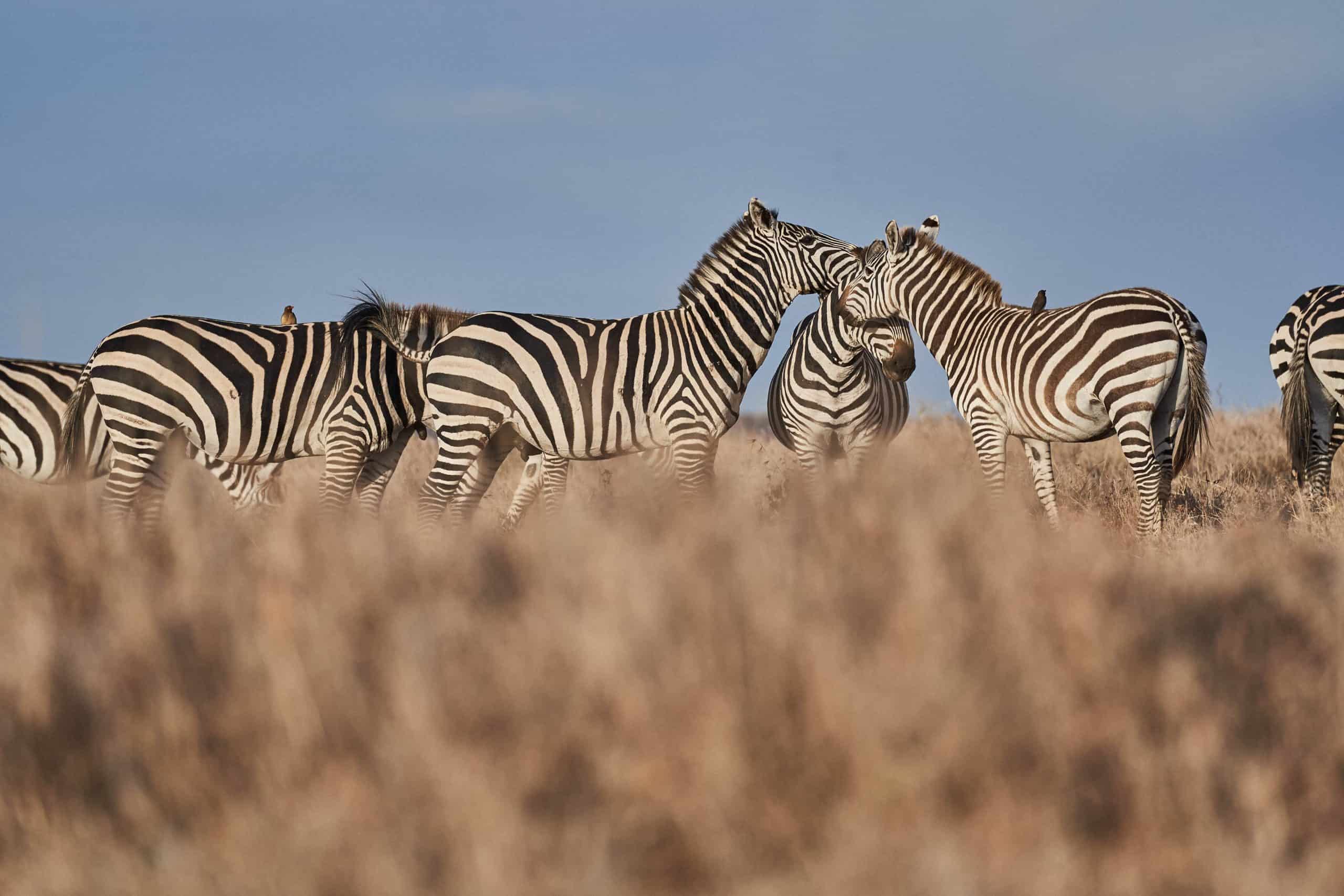
Borana’s biodiversity story extends far beyond rhinos. In 2025 alone, over 225,000 animals and more than 10,000 sightings were recorded, with 45 species documented. Predator monitoring confirmed 27 lions across the conservancy, including eight cubs born within the Winter Pride, while camera trap programmes revealed the presence of elusive species such as leopard, striped hyena, African clawless otter and honey badger.
Birdlife here is equally remarkable. By early 2026, 429 species had been recorded, supported by Borana’s diverse habitats ranging from open savannah to riverine forest. Regular participation in global birding initiatives has further cemented Borana’s reputation as one of Kenya’s leading birding destinations.
A Historic Arrival
Not all conservation milestones come from long-term programmes. Some arrive unexpectedly.
In early 2024 a male hippopotamus settled in the dam below Borana Lodge, followed later by a female. Then, in July 2025, the pair welcomed a calf, the first hippo born on Borana in living memory. It was a quiet but significant moment, and a reminder that wildlife continues to rediscover and reshape the landscape in its own time.
Looking Ahead
Borana Conservancy’s successful 2025 is a reflection of a landscape where wildlife populations will continue to grow. Healthy grasslands, careful livestock management and the tireless work of ranger teams all contribute to maintaining this balance.
Conservation here is measured not just in years, but in generations. Each rhino calf, each lion cub, and each rare sighting captured by camera traps adds another chapter to the ongoing story of Borana’s landscape.
And at Lengishu, encounters are never staged. Each sighting, each track in the dust, each distant call across the plains is part of a living, evolving landscape, and guests are invited to become part of that story.